
Divorce & Matrimonial Matters in Delhi High Court: Complete Legal Guide to Rights, Procedure & Expert Representation
Divorce & Matrimonial Matters in Delhi High Court: Complete Legal Guide Marriage is a significant legal and social institution, but when disputes become irreconcilable, the law provides structured remedies. Divorce & Matrimonial matters in Delhi High Court often involve appeals, transfer petitions, child custody disputes, maintenance, domestic violence-related proceedings and challenges to Family Court orders. […]
POCSO Lawyer in Delhi High Court: Complete Legal Guide to POCSO Cases, Bail, Appeals & Legal Representation
The Protection of Children from Sexual Offences Act, 2012 (POCSO Act) is a special legislation enacted to protect children below the age of 18 years from sexual offences, sexual harassment and exploitation. It establishes child-friendly procedures for investigation and trial while safeguarding the privacy and dignity of child victims. Individuals seeking a POCSO Lawyer in […]
Divorce & Matrimonial Matters in Delhi High Court: Complete Legal Guide to Divorce, Appeals & Family Law

Divorce & Matrimonial matters in the Delhi High Court involve complex legal issues concerning marriage, separation, maintenance, child custody, alimony, domestic disputes and matrimonial appeals. While most matrimonial disputes begin before Family Courts, the Delhi High Court plays an important role in hearing appeals, revision petitions, transfer petitions and constitutional matters arising from family law […]
POCSO Lawyer in Delhi High Court: Complete Legal Guide to POCSO Cases, Bail, Appeals & Legal Defence
The Protection of Children from Sexual Offences Act, 2012 (POCSO Act) is a special law enacted to protect children from sexual offences while ensuring child-friendly investigation and trial procedures. Cases under the POCSO Act are highly sensitive and require strict adherence to statutory safeguards, procedural fairness and the rights of all parties involved. Individuals seeking […]
Divorce FAQs Answered by Experienced Legal Professionals

Divorce is one of the most significant legal decisions an individual may face. Along with emotional challenges, it also involves understanding legal rights, financial responsibilities, child custody, property division, and court procedures. Many people have similar questions when considering or going through a divorce. This guide answers some of the most frequently asked questions […]
Cheque Bounce Matters in Delhi High Court: Complete Legal Guide to Section 138 NI Act, Appeals & Legal Remedies
Cheque bounce disputes are among the most common financial and commercial litigations in India. When a cheque issued towards a legally enforceable debt or liability is dishonoured by the bank, the payee may initiate legal proceedings under the Negotiable Instruments Act, 1881, subject to compliance with statutory requirements. Individuals and businesses dealing with cheque bounce […]
What Is Anticipatory Bail? Meaning, Process, and Legal Rights Explained
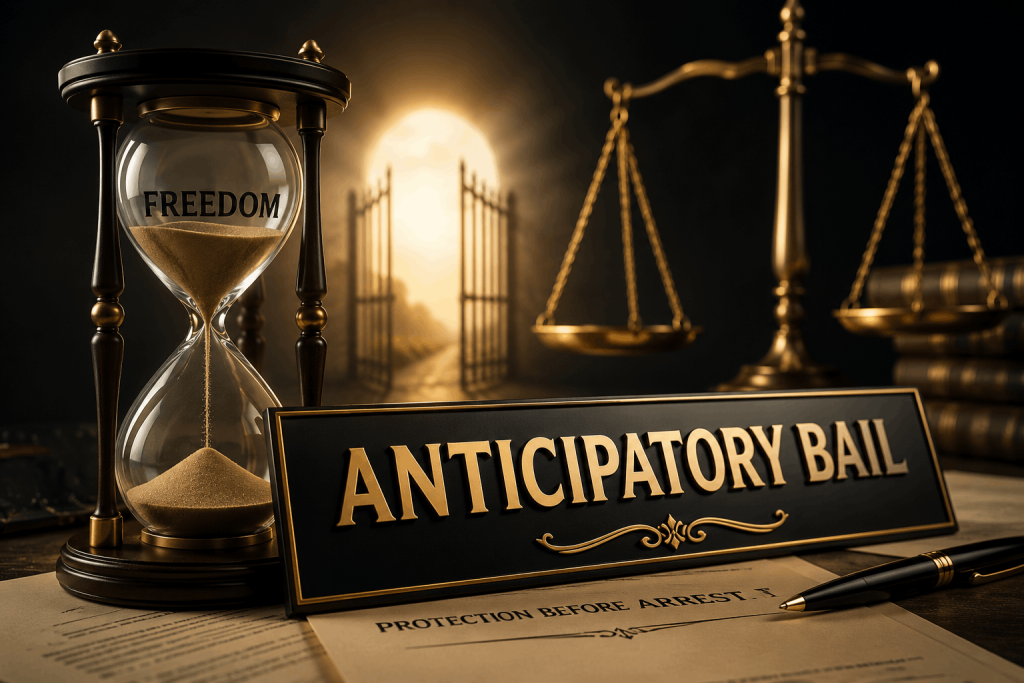
Anticipatory bail is an important legal remedy available under Indian criminal law that protects an individual from arrest when there is a reasonable apprehension of being accused of a non-bailable offence. It is intended to safeguard the fundamental right to personal liberty while ensuring that the investigation is not obstructed. Courts grant anticipatory bail […]
POCSO Lawyer in Delhi High Court: Complete Legal Guide to POCSO Cases, Bail, Appeals & Legal Defence
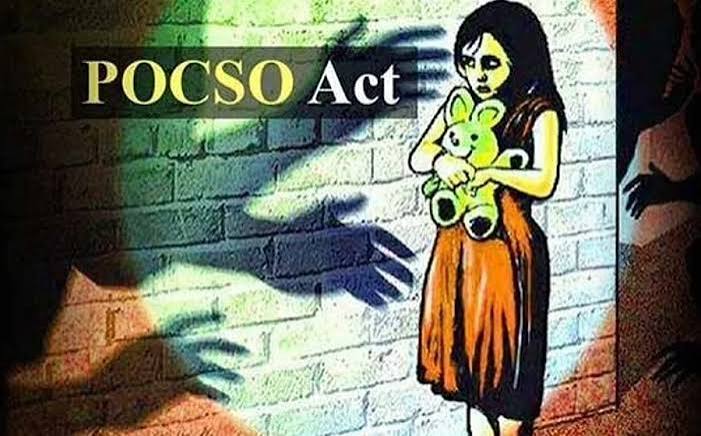
The Protection of Children from Sexual Offences (POCSO) Act, 2012 is a special legislation enacted to protect children below the age of 18 years from sexual offences, sexual harassment and exploitation. Cases registered under the Act are highly sensitive and require strict compliance with child-friendly procedures, statutory safeguards and fair trial principles. Individuals seeking a […]
Cheque Bounce Matters in Delhi High Court: Complete Legal Guide to Section 138 Cases, Appeals & Recovery Remedies
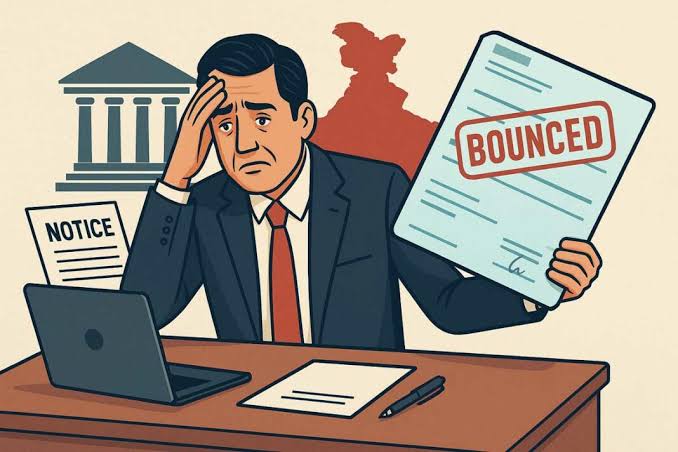
Cheque transactions remain one of the most widely used methods of payment in India for business dealings, loans, contractual obligations, and commercial transactions. However, when a cheque is dishonoured due to insufficient funds, signature mismatch, account closure or other legally recognized reasons, the payee may initiate legal proceedings under the Negotiable Instruments Act, 1881. Individuals […]
Divorce & Matrimonial Matters in Delhi High Court: Complete Legal Guide to Divorce, Appeals, Alimony & Matrimonial Remedies

Marriage is an important legal and social institution, but when a relationship breaks down beyond reconciliation, the law provides legal remedies through divorce and matrimonial proceedings. Individuals dealing with Divorce & Matrimonial Matters in Delhi High Court often approach the High Court for appeals, transfer petitions, matrimonial disputes, maintenance matters, child custody issues and other […]