
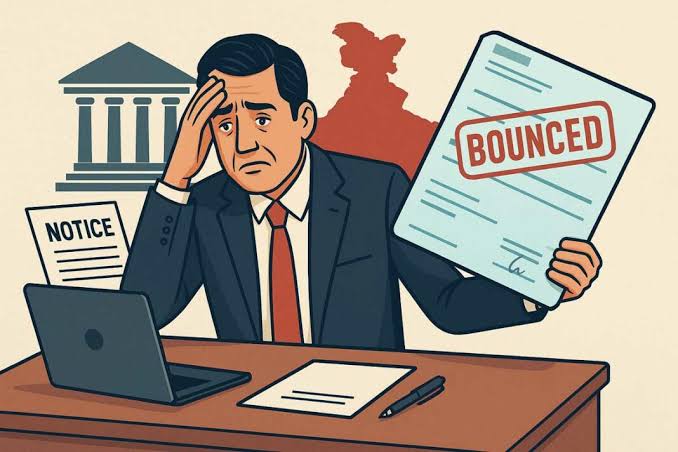
Cheque transactions remain one of the most widely used methods of payment in India for business dealings, loans, contractual obligations, and commercial transactions. However, when a cheque is dishonoured due to insufficient funds, signature mismatch, account closure or other legally recognized reasons, the payee may initiate legal proceedings under the Negotiable Instruments Act, 1881. Individuals dealing with cheque bounce matters in Delhi High Court often seek legal assistance for appeals, quashing petitions, revisions, recovery proceedings and other High Court remedies arising from Section 138 cases.
Cheque bounce litigation can have significant financial and legal consequences for both the complainant and the accused. Understanding the legal process, timelines, available remedies and defence options is essential for protecting commercial interests and ensuring compliance with statutory requirements.
Key Takeaways
-
Cheque bounce cases are primarily governed by Section 138 of the Negotiable Instruments Act, 1881.
-
A valid statutory notice is generally required before filing a complaint.
-
Delhi High Court hears appeals, revisions and other proceedings arising from cheque bounce cases.
-
Proper documentation significantly strengthens a recovery claim.
-
Settlement and mediation are often encouraged in commercial disputes.
-
Early legal advice helps avoid procedural mistakes and limitation issues.
Understanding Section 138 of the Negotiable Instruments Act
Section 138 provides a legal remedy when a cheque issued towards a legally enforceable debt or liability is dishonoured by the bank.
For a complaint to succeed, statutory requirements generally include:
-
Issuance of a cheque.
-
Presentation of the cheque within the prescribed validity period.
-
Dishonour of the cheque.
-
Issuance of a statutory demand notice within the prescribed time.
-
Failure of the drawer to make payment within the statutory period after receiving the notice.
Each requirement must be carefully complied with before initiating prosecution.
Cheque Bounce Matters in Delhi High Court
The Delhi High Court generally deals with cheque bounce matters through:
-
Criminal appeals.
-
Revision petitions.
-
Quashing petitions.
-
Transfer petitions.
-
Petitions under inherent powers of the High Court.
-
Challenges to trial court orders.
-
Settlement-related proceedings.
The High Court examines whether lower courts have correctly applied the law and followed proper procedure.
Common Reasons for Cheque Dishonour
Cheques may be returned unpaid for several reasons, including:
-
Insufficient funds.
-
Account closed.
-
Signature mismatch.
-
Payment stopped by drawer.
-
Exceeds arrangement.
-
Account frozen.
-
Technical defects.
-
Alteration without authentication.
Not every dishonour automatically results in criminal liability; the circumstances of each case are important.
Legal Process in Cheque Bounce Cases
Step 1: Presentation of Cheque
The cheque must be presented to the bank within its validity period.
Step 2: Bank Return Memo
Upon dishonour, the bank issues a return memo specifying the reason.
Step 3: Legal Notice
The payee generally sends a statutory demand notice within the prescribed time.
Step 4: Waiting Period
The drawer is given the statutory period to make payment.
Step 5: Filing of Complaint
If payment is not made, a complaint may be filed before the competent court.
Step 6: Trial
The court examines documentary evidence, bank records, notices and witness testimony.
Documents Commonly Required
Important documents often include:
-
Original cheque.
-
Bank return memo.
-
Copy of legal notice.
-
Proof of notice delivery.
-
Loan agreement or invoice (if applicable).
-
Account statements.
-
Business correspondence.
-
Emails or messages relating to the transaction.
Proper documentation is critical for establishing a legally enforceable liability.
Defences Available in Section 138 Cases
Depending on the facts, an accused may raise defences such as:
-
No legally enforceable debt.
-
Cheque issued as security.
-
Cheque obtained through coercion or fraud.
-
Material alteration.
-
Notice not properly served.
-
Payment already made.
-
Limitation issues.
-
Lack of authority to file the complaint.
Each defence must be supported by appropriate evidence.
Role of the Delhi High Court
The Delhi High Court plays an important role in cheque bounce litigation by:
-
Interpreting provisions of the Negotiable Instruments Act.
-
Examining procedural compliance.
-
Hearing criminal revisions and appeals.
-
Considering quashing petitions.
-
Facilitating settlements where appropriate.
-
Ensuring fair trial standards are maintained.
While cheque bounce complaints are initially tried by the competent Magistrate, parties may approach the Delhi High Court against certain orders passed by subordinate courts.
The Delhi High Court commonly hears:
Criminal Appeals
Appeals against convictions, acquittals, sentencing orders or compensation orders passed by trial courts in cheque bounce matters.
Revision Petitions
Revision petitions may be filed where there are jurisdictional errors, procedural irregularities or legal infirmities in the orders of the lower courts.
Quashing Petitions
In appropriate cases, parties may seek quashing of criminal proceedings where continuation of prosecution would amount to an abuse of the legal process.
Transfer Petitions
Where exceptional circumstances exist, the High Court may transfer cheque bounce proceedings from one competent court to another in the interest of justice.
Compounding of Cheque Bounce Cases
Section 138 offences are compoundable, meaning the parties may settle the dispute even after criminal proceedings have commenced.
Advantages of settlement include:
- Faster resolution.
- Reduced litigation costs.
- Avoidance of prolonged court proceedings.
- Business relationship preservation.
- Final disposal of criminal proceedings.
Courts generally encourage amicable settlements where appropriate and legally permissible.
Recovery of Cheque Amount
Apart from criminal prosecution under the Negotiable Instruments Act, the payee may also explore civil remedies depending upon the facts of the case.
Possible legal remedies include:
- Civil recovery suits.
- Commercial suits.
- Arbitration proceedings (where applicable).
- Execution of compensation orders.
- Settlement agreements.
The appropriate remedy depends upon the contractual relationship and nature of the transaction.
Execution of Court Orders
Once a competent court passes an order directing payment of compensation or other relief, compliance becomes legally necessary.
Where the judgment debtor fails to comply, available remedies may include:
- Execution proceedings.
- Recovery of compensation awarded by the court.
- Enforcement of settlement terms.
- Other remedies available under applicable law.
Timely enforcement helps protect the rights of the successful party.
Commercial Importance of Proper Cheque Transactions
Businesses should adopt sound financial practices to reduce cheque bounce disputes.
Recommended practices include:
- Maintaining sufficient account balance.
- Issuing cheques only for genuine liabilities.
- Verifying cheque details before issuance.
- Maintaining proper accounting records.
- Preserving invoices and payment receipts.
- Promptly responding to legal notices.
- Seeking legal advice before initiating or defending litigation.
Strong financial discipline significantly reduces legal risks.
How to Choose the Best Cheque Bounce Lawyer in Delhi High Court
Selecting experienced legal representation is important for both complainants and accused persons.
Consider the following factors:
Experience in Section 138 Cases
Choose a lawyer who regularly handles cheque bounce litigation and proceedings under the Negotiable Instruments Act.
Delhi High Court Practice
Experience in criminal appeals, revisions and High Court proceedings is valuable for complex matters.
Commercial Law Knowledge
A lawyer with knowledge of commercial transactions, banking laws and financial documentation can provide stronger legal assistance.
Negotiation Skills
Many cheque bounce disputes are resolved through settlement, making negotiation an important skill.
Courtroom Advocacy
Effective presentation of documentary evidence and legal arguments plays a significant role during trial and appellate proceedings.
Common Mistakes People Make
Many parties unintentionally weaken their legal position by making avoidable mistakes.
Common errors include:
- Delaying issuance of the statutory legal notice.
- Missing limitation periods.
- Losing the original cheque.
- Ignoring court summons.
- Failing to preserve bank records.
- Issuing blank signed cheques without safeguards.
- Maintaining incomplete transaction records.
- Attempting informal settlements without written documentation.
- Delaying legal consultation.
Avoiding these mistakes can significantly strengthen a party’s legal case.
Expert Insights
Cheque bounce litigation requires strict compliance with statutory timelines and documentary requirements. From a legal perspective, preserving original records, maintaining proper financial documentation and issuing timely legal notices are essential for effective prosecution or defence.
Businesses should implement internal payment verification systems and maintain transparent accounting practices. Individuals receiving statutory notices should seek legal advice promptly rather than ignoring communications, as early action often leads to better legal outcomes and may facilitate settlement before prolonged litigation.
Conclusion
Cheque bounce matters in Delhi High Court involve important legal proceedings relating to dishonoured cheques, criminal prosecution under Section 138 of the Negotiable Instruments Act, appeals, revisions, settlements and recovery of financial liabilities. Since these disputes directly affect commercial relationships and financial interests, obtaining experienced legal guidance is essential.
Whether you are initiating a cheque bounce complaint, responding to criminal proceedings, challenging a lower court order or seeking recovery of the cheque amount, timely legal representation can help protect your rights and ensure compliance with statutory procedures. A well-planned legal strategy supported by proper documentation significantly improves the prospects of a successful outcome.
Frequently Asked Questions (FAQs)
1. What is a cheque bounce case?
A cheque bounce case arises when a cheque issued towards a legally enforceable debt or liability is dishonoured by the bank for reasons recognized under law.
2. Which law governs cheque bounce matters in India?
Cheque bounce offences are primarily governed by Section 138 of the Negotiable Instruments Act, 1881.
3. Can cheque bounce cases be settled?
Yes. Section 138 offences are compoundable and parties may settle the dispute at various stages of the proceedings.
4. Can trial court orders be challenged before the Delhi High Court?
Yes. Appeals, revision petitions and other appropriate legal proceedings may be filed before the Delhi High Court, depending on the facts and applicable law.
5. Is a legal notice mandatory before filing a cheque bounce complaint?
Yes. Compliance with the statutory notice requirements under the Negotiable Instruments Act is generally necessary before initiating prosecution.
6. Why should I hire a Cheque Bounce Lawyer in Delhi High Court?
An experienced lawyer can assist with legal notices, complaints, defence, appeals, revisions, settlements and High Court proceedings.
7. What documents are important in a cheque bounce case?
The original cheque, bank return memo, statutory legal notice, proof of service, invoices, agreements and bank records are commonly required.
8. Can I recover the cheque amount through civil proceedings?
Yes. Depending on the facts of the case, civil recovery remedies may also be available in addition to criminal proceedings.