
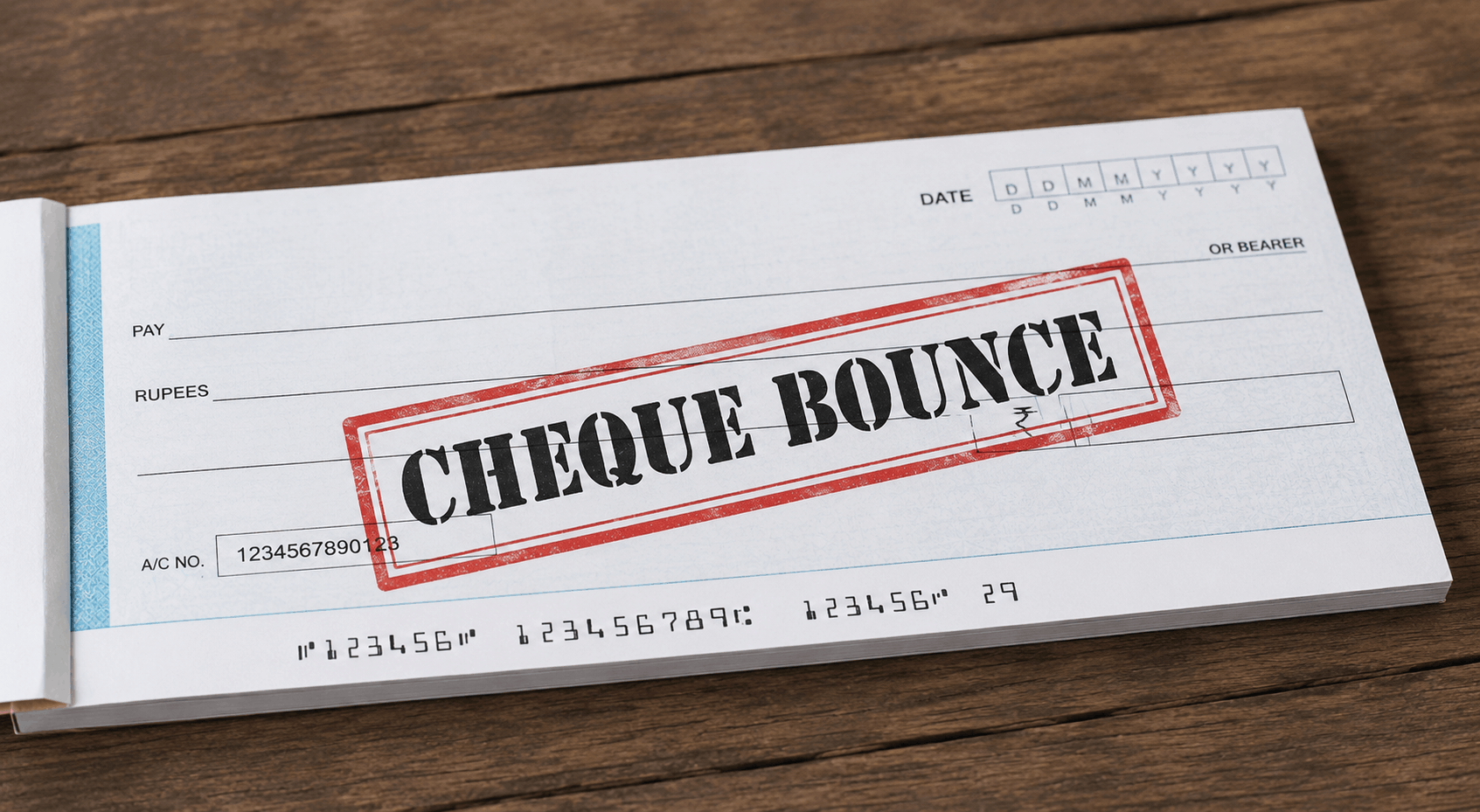
A cheque is commonly used for business transactions, personal loans, payments to suppliers and settlement of outstanding dues. When a cheque is returned unpaid, it can create financial difficulties and lead to legal proceedings. Understanding the applicable law, deadlines and available remedies is essential for both the person who issued the cheque and the person who received it.
A Cheque Bounce Lawyer in Delhi high court can help individuals, business owners, companies and creditors understand the legal implications of cheque dishonour, review relevant documents, respond to legal notices and prepare for appropriate court proceedings.
In India, cheque dishonour cases are primarily governed by the Negotiable Instruments Act, 1881, particularly Section 138. However, not every returned cheque automatically results in criminal liability. The legal requirements, nature of the underlying debt, reason for dishonour and compliance with statutory deadlines must be examined.
For legal information and enquiries, you can visit Ajay Pratap Singh & Associates. The appropriate legal strategy depends on the facts of the dispute and the jurisdiction of the competent court.
Key Takeaways
- Section 138 of the Negotiable Instruments Act, 1881 deals with specified cases of cheque dishonour involving a legally enforceable debt or liability.
- A written demand notice generally must be issued within 30 days of receiving information from the bank about dishonour.
- The drawer generally has 15 days from receipt of the demand notice to make the demanded payment.
- Proper documentation, including the original cheque, bank return memo, transaction records and notice documents, is important.
- Territorial jurisdiction must be checked under the applicable provisions before filing a complaint.
- Legal advice can help both complainants and accused persons understand the procedure, potential defences and available remedies.
What Is Cheque Bounce Under Indian Law?
Cheque bounce, also called cheque dishonour, occurs when a bank returns a cheque unpaid. The bank may provide a return memo stating the reason for non-payment.
Common reasons include:
- Insufficient funds in the account.
- The amount exceeding an agreed overdraft or banking arrangement.
- A stop-payment instruction.
- Signature-related discrepancies.
- An account-related issue or another banking irregularity.
The legal consequences depend on the reason for dishonour and the circumstances in which the cheque was issued.
Section 138 of the Negotiable Instruments Act, 1881 specifically addresses dishonour for insufficiency of funds or where the cheque amount exceeds the arrangement made with the bank. Other return reasons require a fact-specific legal assessment; a stop-payment instruction, for example, does not automatically rule out liability under Section 138.
The central issue is whether the statutory requirements are satisfied, including whether the cheque was issued towards a legally enforceable debt or other liability.
Official reference: Negotiable Instruments Act, 1881 — India Code.
Understanding Section 138 of the Negotiable Instruments Act
Section 138 establishes a legal process for qualifying cheque dishonour cases. The complainant must satisfy the applicable statutory conditions.
1. The Cheque Must Relate to a Legally Enforceable Debt or Liability
The cheque must have been drawn for payment towards a legally enforceable debt or other liability. The underlying transaction may involve a loan, business payment, supply of goods or services, or another legally recoverable obligation.
Relevant evidence may include agreements, invoices, account statements, bank transfers, receipts, correspondence and acknowledgements of outstanding amounts.
The legal position may differ where the cheque was allegedly issued as security, where the liability is disputed or where the underlying transaction is challenged. Such circumstances require examination of the documents and applicable legal principles.
2. The Cheque Must Be Presented Within Its Validity Period
Section 138 refers to presentation within six months from the date on which the cheque is drawn or within its validity period, whichever is earlier. In practice, cheques are generally subject to a shorter validity period under prevailing banking instructions, commonly three months.
The actual validity period should be verified with the bank and applicable instructions. Presenting a cheque after its validity expires may affect the availability of a Section 138 remedy.
3. A Written Demand Notice Must Be Issued
After receiving information from the bank that the cheque has been returned unpaid, the payee or holder in due course generally has 30 days to issue a written demand notice to the drawer.
The notice should identify the cheque, amount, dishonour and demand for payment. It should be drafted carefully and sent using a suitable method that creates reliable proof of dispatch and delivery.
4. The Drawer Must Be Given the Statutory Payment Period
The drawer generally has 15 days from receipt of the demand notice to pay the cheque amount.
If payment is not made within this period, the cause of action for filing a complaint may arise, subject to the statutory requirements.
5. The Complaint Must Be Filed Within the Applicable Limitation Period
Section 142 provides for the filing of a complaint within one month from the date on which the cause of action arises. The court may condone delay if sufficient cause is shown, as provided by the Act.
Calculating these deadlines correctly is important. A lawyer can review the cheque date, bank memo, notice date, service details and payment period to determine the applicable timeline.
For the statutory provisions, refer to the Negotiable Instruments Act, 1881.
Why Consult a Cheque Bounce Lawyer in Delhi high court?
Cheque dishonour disputes can involve substantial sums, commercial relationships, disputed transactions and procedural deadlines. Legal guidance may be useful before issuing a notice, filing a complaint or responding to a case.
A Cheque Bounce Lawyer in Delhi high court may assist with the following matters.
Reviewing the Transaction
The lawyer can examine the circumstances in which the cheque was issued, the purpose of the payment, the outstanding amount and the supporting documents.
This review can help identify whether the dispute appears to fall within Section 138 or whether another civil or legal remedy may be relevant.
Drafting and Responding to Legal Notices
A demand notice should accurately state the relevant facts and payment demand. If you have received a notice, a lawyer can review the allegations, deadlines and supporting documents and advise on an appropriate response.
Ignoring a notice can create avoidable complications. The appropriate response depends on the facts and should not be based on a standard template alone.
Preparing a Complaint
Where the statutory requirements are met, a lawyer may help prepare the complaint, organise the evidence and identify the court with jurisdiction.
Representing the Accused
A person facing a cheque dishonour complaint may need advice on the allegations, relevant documents, procedural requirements and available defences. The defence should be based on the evidence and applicable law.
Advising Businesses and Companies
Business disputes may involve multiple invoices, outstanding accounts, company authorisations and questions about the roles of directors or authorised signatories.
The applicability of Section 141, which deals with offences by companies, depends on the facts and statutory requirements. A person’s position in a company alone should not be treated as automatically establishing criminal liability.
For more information about legal services, visit Ajay Pratap Singh & Associates.
Documents Required for a Cheque Bounce Case
Organising the relevant documents can help a lawyer assess the matter efficiently.
Depending on whether you are filing or defending a complaint, the documents may include:
- Original cheque: The cheque involved in the transaction, where available.
- Bank return memo: The document recording the dishonour and the bank’s stated reason.
- Demand notice: A copy of the legal notice issued under Section 138, if applicable.
- Dispatch and delivery records: Postal receipts, tracking details, acknowledgements or other relevant proof of service.
- Transaction records: Agreements, invoices, receipts, loan documents or other evidence of the underlying liability.
- Bank statements: Relevant entries that help explain the transaction or payment history.
- Communication records: Emails, messages and correspondence concerning the cheque or outstanding payment.
- Identity and authority documents: Relevant details of the parties and, for company matters, appropriate authorisation documents.
- Existing court documents: Copies of complaints, replies, summons, orders or other relevant proceedings.
The documents required depend on the particular case. Keep original records safe and preserve electronic evidence in its original form where possible.
How a Cheque Bounce Case Proceeds
Although every case is different, a typical Section 138 matter may involve the following stages.
Step 1: Review the Cheque and Bank Return Memo
The first step is to check the cheque, the date of presentation, the reason for dishonour and the underlying transaction.
A return memo should be retained because it forms part of the documentary record.
Step 2: Issue the Statutory Demand Notice
Where Section 138 applies, a written demand notice should generally be sent within 30 days of receiving information about dishonour from the bank.
The notice should be factually accurate and comply with the statutory requirements.
Step 3: Allow the Payment Period
The drawer must be allowed the statutory 15-day period after receipt of the notice to make payment.
The relevant dates and proof of service should be retained to calculate the next deadline.
Step 4: Prepare and File the Complaint
If payment is not made within the statutory period, a complaint may be filed before the competent court within the applicable limitation period, subject to the Act.
The complaint should include the relevant cheque details, dishonour information, notice particulars, cause of action, jurisdiction and supporting documents.
Step 5: Court Proceedings
The court follows the applicable procedure, which may include consideration of the complaint, summoning the accused, evidence, examination of relevant witnesses and arguments.
Section 143 of the Act provides for summary trial in specified circumstances. The actual course of proceedings depends on the court’s directions and the nature of the case.
Step 6: Settlement, Compounding or Final Decision
Section 147 of the Negotiable Instruments Act provides that offences under the Act are compoundable. Depending on the circumstances, parties may explore settlement or compounding in accordance with the law and applicable procedure.
If the matter is not resolved, the court determines it on the evidence and legal submissions.
What Defences May Be Available in a Cheque Bounce Case?
A person accused under Section 138 may have legal grounds to contest the complaint, depending on the evidence. A defence should be supported by the facts rather than relying on general statements.
Potential issues may include:
Dispute About the Underlying Liability
The accused may dispute whether a legally enforceable debt existed, whether the amount was due or whether the cheque relates to the transaction alleged by the complainant.
The court considers the statutory presumptions and the evidence presented by both sides.
Dispute About the Cheque or Signature
Where the execution or circumstances of the cheque are disputed, the relevant records and evidence must be examined. A bare denial may not be sufficient to resolve the issue.
Payment Already Made
If the amount has already been paid, the accused should preserve receipts, bank transfers, settlement documents or other reliable proof.
The timing and legal effect of payment must be considered in light of the statutory requirements and the facts of the case.
Defects in Statutory Compliance
Questions may arise about the timing and contents of the demand notice, service, limitation or jurisdiction. Whether a particular defect affects the case depends on the applicable law and circumstances.
Company-Related Liability
Where a cheque is issued by a company, liability under Section 141 requires consideration of the statutory conditions and the person’s role in the conduct of the company’s business. Directors, officers and authorised signatories should obtain advice based on the specific allegations.
A lawyer can assess the evidence and explain which defences may be legally sustainable.
Which Court Has Jurisdiction in Delhi?
The fact that a party lives or works in Delhi does not, by itself, establish that every cheque bounce complaint can be filed there. Territorial jurisdiction is governed by the relevant provisions of the Negotiable Instruments Act.
Section 142(2) generally determines jurisdiction by reference to the bank branch through which the payee or holder in due course presents the cheque for collection, with different treatment for certain situations involving direct presentation to the drawee bank.
The correct court must be identified by examining the banking arrangements, presentation details and statutory provisions.
The Delhi High Court is a constitutional and appellate court; it does not ordinarily act as the first-instance trial court for every Section 138 complaint. Many cheque dishonour complaints are dealt with by the competent Magistrate court. The Delhi High Court may become relevant in proceedings where its jurisdiction is properly invoked.
The Delhi District Courts website provides information relating to the Negotiable Instruments Act. The Delhi High Court website provides official court information and judgments.
What Happens If the Drawer Does Not Pay?
If the statutory requirements are met and the matter results in conviction under Section 138, the Act provides for imprisonment of up to two years, a fine that may extend to twice the cheque amount, or both.
The actual outcome depends on the facts, evidence, applicable law and court’s decision. These are statutory maximum penalties, not automatic consequences in every case.
Interim compensation may also be considered under Section 143A in qualifying circumstances during trial. Its application is subject to the statutory framework and the court’s discretion.
A cheque bounce case may also involve separate civil remedies for recovery, where appropriate. Whether parallel or additional proceedings are advisable depends on the nature of the debt and the available legal options.
How to Choose Legal Assistance for a Cheque Bounce Dispute
Before appointing a lawyer, consider the following factors:
- Relevant experience: Ask about experience with Negotiable Instruments Act matters and the procedural stage of your case.
- Clear explanation: The lawyer should explain the applicable deadlines, documents, potential risks and next steps.
- Document review: Ensure that the underlying transaction, bank memo and notice records can be reviewed properly.
- Transparent fees: Discuss professional fees, court-related expenses and the scope of representation before proceeding.
- Regular communication: Understand how updates about notices, hearings and court orders will be provided.
- Realistic guidance: Be cautious of guarantees about acquittal, conviction, recovery or the time a case will take.
For an enquiry about legal assistance, visit https://ajaypratapsinghandassociates.com/. Confirm the lawyer’s suitability for your matter and the precise scope of services before engagement.
Frequently Asked Questions
1. What is Section 138 of the Negotiable Instruments Act?
Section 138 addresses specified cases where a cheque issued towards a legally enforceable debt or liability is dishonoured for insufficiency of funds or because it exceeds the agreed banking arrangement, subject to the statutory conditions.
2. How many days are available to send a cheque bounce notice?
The written demand notice generally must be issued within 30 days of receiving information from the bank about the dishonour.
3. How long does the drawer have to make payment after receiving the notice?
The drawer generally has 15 days from receipt of the statutory demand notice to make payment of the demanded cheque amount.
4. Can a cheque bounce case be settled?
Yes. Section 147 provides for compounding of offences under the Act. Settlement should be documented properly, and the required legal procedure should be followed.
5. Can I file a cheque bounce complaint directly in the Delhi High Court?
Section 138 complaints are ordinarily filed before the competent Magistrate court with jurisdiction. The Delhi High Court may be approached for appropriate proceedings where the law permits. The correct forum depends on the relief sought and procedural circumstances.
6. What should I do after receiving a cheque bounce notice?
Review the notice promptly, preserve the cheque and transaction records, note the dates and obtain legal advice. If the amount is genuinely due, consider the payment options and legal consequences with appropriate guidance.
7. Is every dishonoured cheque a criminal offence?
No. Criminal liability under Section 138 depends on the statutory requirements and the facts. The reason for dishonour, the underlying liability, notice requirements and payment timeline all matter.
Conclusion
Cheque dishonour can create significant financial and legal challenges for individuals and businesses. Understanding Section 138 of the Negotiable Instruments Act, 1881, complying with statutory deadlines and preserving reliable evidence are important steps in handling such disputes.
A Cheque Bounce Lawyer in Delhi high court can help assess the transaction, review legal notices, prepare a complaint or defence and explain the appropriate court procedure. The correct approach depends on the documents, underlying liability, jurisdiction and circumstances of the case.
For more information or to enquire about legal assistance, visit Ajay Pratap Singh & Associates.
Legal disclaimer: This article is for general informational purposes only and does not constitute legal advice. The outcome of an individual matter depends on its facts, evidence and applicable law.