
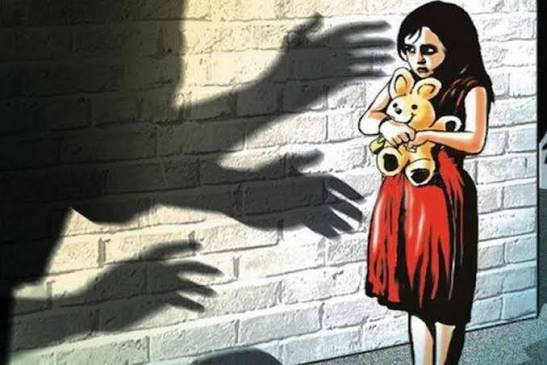
The Protection of Children from Sexual Offences (POCSO) Act, 2012 is a special legislation enacted to protect children below the age of 18 from sexual offences, harassment, exploitation and related crimes. The Act establishes child-friendly procedures for reporting, investigation and trial, while providing for the establishment of Special Courts to ensure expeditious disposal of cases. Individuals seeking a POCSO Lawyer in Delhi may require legal assistance during investigation, bail proceedings, trial, appeals or victim representation.
Ajay Pratap Singh & Associates provides legal assistance in matters relating to POCSO cases, criminal defence, victim representation, bail applications, trial proceedings and appellate litigation. The firm assists clients through every stage of criminal proceedings while ensuring compliance with applicable legal procedures.
Key Takeaways
- The POCSO Act protects every child below 18 years of age.
- Special Courts are designated to hear POCSO matters.
- The law provides child-friendly investigation and trial procedures.
- Legal representation is important for both victims and accused persons.
- Timely legal advice helps safeguard procedural and legal rights.
- Every POCSO case is decided on its own facts, evidence and applicable law.
Understanding the POCSO Act
The Protection of Children from Sexual Offences Act, 2012 was enacted to create a comprehensive legal framework for protecting children against sexual abuse and exploitation.
The Act broadly covers:
- Penetrative sexual assault.
- Aggravated penetrative sexual assault.
- Sexual assault.
- Aggravated sexual assault.
- Sexual harassment of children.
- Use of children for pornographic purposes.
- Child-friendly reporting and investigation procedures.
- Trial before designated Special Courts.
The Act is gender-neutral and applies to all children below the age of 18 years. It also contains mandatory reporting obligations for certain offences.
Why You Need a POCSO Lawyer in Delhi
An experienced POCSO Lawyer in Delhi can provide legal guidance at every stage of criminal proceedings.
Legal services may include:
- Legal consultation.
- Bail applications.
- Anticipatory bail, where legally maintainable.
- Representation during police investigation.
- Trial before Special POCSO Courts.
- Cross-examination of witnesses.
- Drafting legal applications.
- Criminal appeals.
- Revision petitions.
- Representation before the Delhi High Court and Supreme Court.
Professional legal assistance helps clients understand procedural requirements while protecting their legal rights.
Stages of a POCSO Case
Although every matter differs, a POCSO case generally progresses through several legal stages.
Complaint and FIR
Proceedings usually begin with the registration of information before the police in accordance with applicable legal procedures.
Investigation
The investigating agency may:
- Record statements.
- Collect documentary evidence.
- Obtain medical reports where required.
- Secure electronic evidence.
- Examine witnesses.
- Conduct forensic investigation where necessary.
The Act provides child-sensitive procedures intended to reduce trauma during investigation.
Filing of Charge Sheet
After completing the investigation, the police may file a charge sheet before the competent Special Court if sufficient material is available.
Trial Before the Special Court
The Special Court examines:
- Oral evidence.
- Documentary evidence.
- Medical evidence.
- Forensic reports.
- Electronic evidence.
- Witness testimony.
The Court then decides the matter in accordance with the evidence presented and the applicable legal provisions.
Important Evidence in POCSO Cases
Evidence plays a significant role in POCSO proceedings.
Relevant evidence may include:
- Medical examination reports.
- Forensic laboratory reports.
- Electronic communications.
- CCTV footage.
- Mobile phone records.
- Digital evidence.
- Witness statements.
- School records.
- Birth certificate or age proof.
- Expert opinions.
- Documentary evidence.
Proper preservation of evidence is important for fair adjudication.
Rights During POCSO Proceedings
The law provides several procedural safeguards during POCSO proceedings.
These include:
- Child-friendly investigation procedures.
- Protection of the child’s identity.
- Right to legal representation.
- Fair trial rights.
- Opportunity to present evidence.
- Right to challenge orders through legal remedies where available.
Courts aim to balance the protection of child victims with the principles of fair criminal justice. Recent judicial decisions have also examined the application of the Act in specific factual situations while reaffirming its child-protection purpose.
Bail in POCSO Cases
Bail in cases under the Protection of Children from Sexual Offences (POCSO) Act, 2012 is decided by the competent court after considering the facts of each case, the allegations, available evidence and the applicable legal provisions.
While deciding a bail application, the court may consider factors such as:
- Nature and gravity of the alleged offence.
- Age of the child.
- Stage of the investigation.
- Medical and forensic evidence.
- Statements recorded during the investigation.
- Possibility of influencing witnesses.
- Risk of tampering with evidence.
- Likelihood of absconding.
- Overall interests of justice.
An experienced POCSO Lawyer in Delhi can assist in preparing bail applications, reviewing the case records and representing clients before the Special POCSO Court, the Delhi High Court or the Supreme Court, where appropriate.
Legal Defence Strategy
Every POCSO matter requires a case-specific legal strategy based on the available evidence and applicable law.
Case Evaluation
A lawyer generally reviews:
- FIR and complaint.
- Charge sheet.
- Witness statements.
- Medical reports.
- Forensic reports.
- Electronic evidence.
- CCTV footage.
- Digital records.
- Relevant documents.
A detailed evaluation helps identify legal issues and prepare an effective defence or prosecution strategy.
Evidence Analysis
POCSO cases often involve multiple forms of evidence.
These may include:
- Medical examination reports.
- DNA or forensic reports.
- Mobile phone records.
- Electronic communications.
- CCTV recordings.
- Expert opinions.
- Documentary evidence.
- Witness testimony.
Each piece of evidence is examined for its relevance, admissibility and consistency with the facts of the case.
Representation Before the Special Court
A POCSO lawyer assists clients by:
- Drafting legal applications.
- Conducting cross-examination.
- Presenting documentary evidence.
- Advancing legal arguments.
- Protecting procedural rights.
- Representing clients throughout the trial.
Appeals in POCSO Cases
Parties aggrieved by certain orders or judgments may pursue remedies before higher courts in accordance with applicable law.
Appeals Before the High Court
Eligible judgments of the Special Court may be challenged before the jurisdictional High Court as provided under law.
Proceedings Before the Supreme Court
Appropriate cases involving substantial questions of law or constitutional issues may be taken before the Supreme Court through the remedies available under law.
Revision and Other Remedies
Depending on the facts of the matter, revision petitions or other statutory remedies may also be available where legally maintainable.
How to Choose the Best POCSO Lawyer in Delhi
Choosing an experienced criminal lawyer is important because POCSO proceedings require knowledge of both substantive and procedural criminal law.
Experience in Criminal Litigation
Look for a lawyer with experience in:
- POCSO cases.
- Criminal trials.
- Bail proceedings.
- Child protection laws.
- Appeals.
- High Court and Supreme Court litigation.
Knowledge of Relevant Laws
A competent lawyer should have expertise in:
- Protection of Children from Sexual Offences Act, 2012.
- Bharatiya Nyaya Sanhita (BNS).
- Bharatiya Nagarik Suraksha Sanhita (BNSS).
- Bharatiya Sakshya Adhiniyam.
- Juvenile Justice laws, where applicable.
- Constitutional principles relating to criminal justice.
Sensitive Handling of Child-Related Cases
POCSO matters involve children and therefore require a professional, sensitive and legally compliant approach throughout the proceedings while respecting the privacy and dignity of all concerned.
Courtroom Advocacy
An experienced advocate should be capable of:
- Drafting petitions and applications.
- Analysing evidence.
- Conducting witness examination.
- Presenting legal submissions.
- Handling appeals before higher courts.
Common Mistakes in POCSO Cases
Common mistakes that may adversely affect legal proceedings include:
- Delaying legal consultation.
- Ignoring police notices or court summons.
- Discussing the case publicly or on social media.
- Failing to preserve relevant evidence.
- Influencing witnesses or attempting private settlements where prohibited.
- Missing court dates.
- Not following legal advice.
- Delaying appeals beyond limitation periods.
Timely legal guidance helps parties understand their rights and comply with procedural requirements.
Expert Insights
POCSO cases require careful handling due to the serious nature of the allegations and the child-sensitive procedures prescribed by law. Proper documentation, preservation of evidence and adherence to procedural safeguards are essential for a fair legal process.
Whether representing a victim or defending an accused person, experienced legal counsel plays an important role in ensuring that the proceedings are conducted in accordance with the law while protecting the legal rights of all parties involved.
Conclusion
A qualified POCSO Lawyer in Delhi can provide legal assistance during investigations, bail proceedings, trials and appeals under the Protection of Children from Sexual Offences Act, 2012. Because these matters involve both complex legal issues and the welfare of children, timely legal advice, careful preparation and experienced representation are crucial.
Understanding the legal process, preserving evidence and following statutory procedures can significantly contribute to the effective handling of POCSO proceedings.
Frequently Asked Questions (FAQs)
1. What is the POCSO Act?
The Protection of Children from Sexual Offences Act, 2012 is a special law that protects children below the age of 18 from sexual offences and provides child-friendly procedures for investigation and trial.
2. Who can be represented by a POCSO Lawyer in Delhi?
A POCSO lawyer may represent victims, accused persons, guardians or other parties involved in proceedings, depending on the circumstances and applicable law.
3. Which court hears POCSO cases?
POCSO cases are generally heard by designated Special Courts established under the Act.
4. Is bail available in POCSO cases?
Yes. Bail applications are considered by the competent court based on the facts of the case and the applicable legal provisions.
5. What evidence is commonly used in POCSO cases?
Medical reports, forensic evidence, witness statements, electronic records, CCTV footage and other documentary evidence may be considered.
6. Can POCSO judgments be appealed?
Yes. Eligible judgments may be challenged before the appropriate High Court and, where applicable, before the Supreme Court.
7. Why is legal representation important in POCSO proceedings?
A lawyer helps protect legal rights, ensures procedural compliance, prepares legal documents and represents clients throughout the proceedings.
8. Why is early legal consultation recommended?
Early legal advice helps preserve evidence, understand legal remedies, ensure procedural compliance and prepare an effective legal strategy.